Burmeç

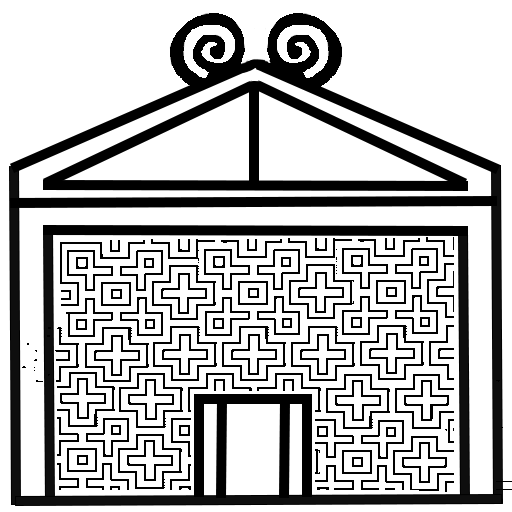
Burmeç rock façade is in a location called Çiçeklikonak Rocks, 2.6 km north of Bayramaliler village in İhsaniye district of Afyonkarahisar. The monument was first discovered by W. M. Ramsay in 1884. It was named Burmeç by Haspels after a nearby fountain with the same name. The local people call it Muskalı (a triangle‑shaped amulet) … Read more

Karababa Valley

It lies parallel to Göynüş Valley in the southeast. There are two Phrygian rock monuments discovered in the valley: a large shaft monument and a niche. Değirmen Yeri Monument This monument unfortunately no longer exists. It was discovered by Haspels in Karababa Valley in Kayıhan town of Afyonkarahisar province in 1950. Haspels identified two rock … Read more

Kümbet Valley

Kümbet Valley is located approximately 70 km south of Eskişehir and 8 km west of Midas City and stretches for 6 km from northwest to southeast. The valley is almost at the center of the Phrygian highlands. Kümbet village within the valley is the location of an old Phrygian settlement. Kümbet Asar Kale It is … Read more

Küçük Kapıkaya

The façade is 2.7 km southeast of Döğer town in the İhsaniye district of Afyonkarahisar. It is carved on one of the rock masses about 300 m from the road between Döğer and Üçlerkayası village. Another Phrygian monument, Aslankaya, is located on the same road, 1.3 km ahead in the Üçlerkayası direction.Küçük Kapıkaya (Small Gaterock) monument … Read more

Kumcaboğaz Kapıkaya

There were two monuments, a small façade and a stepped altar in Kumcaboğaz. They were located to the south of Göynüş Valley in Afyonkarahisar, about 1250 m south of the Maltaş Monument. Kumcaboğaz façade, called Kapıkaya (Gaterock), was worked on one of the low-lying rock masses spread around. The entire rock of the Kumcaboğaz façade … Read more